

Rare Lincoln Wheat Pennies Worth Over $677,777 – Key Coins & Features to Identify
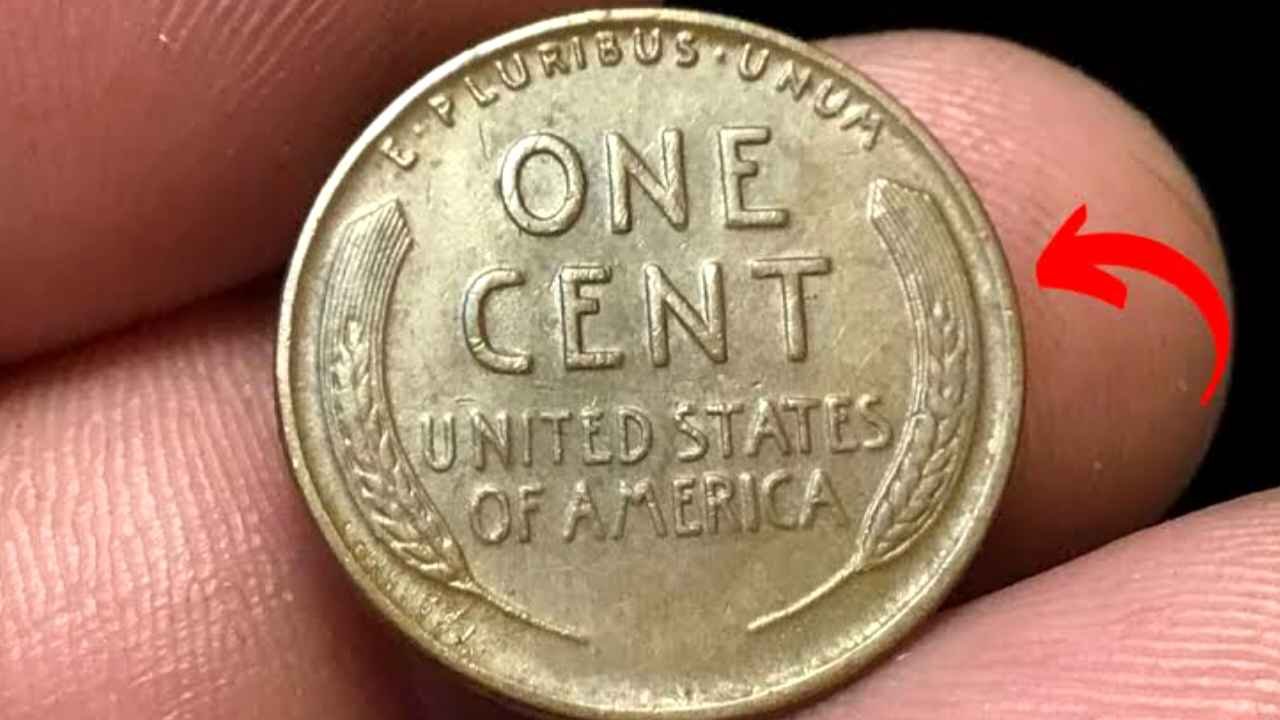
Lincoln Wheat pennies, also known as Wheat cents, are among the most collected coins in the United States. These pennies were minted from 1909 to 1958 and have the iconic wheat stalks on the reverse side. While most Wheat pennies are worth just a few cents to a few dollars, some rare versions can fetch jaw-dropping amounts—more than $677,777 in auctions and private sales.
This article will walk you through what makes some Lincoln Wheat pennies so valuable, which specific years and mint marks to watch for, and how to identify these hidden treasures. If you’ve got a jar of old coins somewhere, now’s the time to take a closer look.
Why Some Pennies Are Worth So Much
Not every old penny is valuable. Age alone isn’t what makes a coin rare. A coin becomes valuable due to factors like low mintage, minting errors, high demand from collectors, and its condition (also called the “grade”).
For Lincoln Wheat pennies, a combination of rarity and uniqueness is what turns a 1-cent coin into a small fortune. Key dates and mint errors, in particular, can make some coins worth hundreds of thousands of dollars.
Overview Table: Rare Lincoln Wheat Pennies You Should Look For
| Year | Mint Mark | Notable Feature | Estimated Value (Up to) |
|---|---|---|---|
| 1909 | S VDB | First year issue, rare initials | $100,000+ |
| 1914 | D | Low mintage | $50,000+ |
| 1922 | No D | Missing mint mark error | $30,000+ |
| 1943 | Copper | Wrong metal used | $677,777+ |
| 1955 | Doubled Die | Double printing error | $10,000+ |
The Rarest and Most Valuable Lincoln Wheat Pennies
1909-S VDB Penny
This coin is one of the most famous and highly sought-after Lincoln cents. It was the very first year the Lincoln penny was made, and only about 484,000 of these were minted in San Francisco with the designer’s initials “VDB” on the back. That’s a tiny number compared to the millions usually made. If you have one of these in great condition, you could be looking at a six-figure payday.

1914-D Penny
Another rarity is the 1914-D Lincoln cent. The “D” means it was minted in Denver. With only just over 1 million of these produced and very few surviving in good shape, this coin is highly collectible. A worn one might get you a few thousand dollars, but a pristine version can sell for over $50,000.
1922 No D Penny
This penny is unique because it’s missing its mint mark. All 1922 pennies were supposed to be struck in Denver, meaning they should have a “D” mint mark. But due to a die error, some were released without the “D.” These are quite rare and sought after by collectors. If it’s real and in decent shape, you could easily earn tens of thousands.
1943 Copper Penny
This is the holy grail of Wheat pennies. During World War II, the U.S. Mint needed copper for war materials, so pennies in 1943 were supposed to be made from steel coated in zinc. However, a few copper blanks were accidentally used. These copper 1943 pennies are extremely rare and one sold at auction for over $677,777. If you find a 1943 penny and it sticks to a magnet, it’s steel. But if it doesn’t, check again—it could be copper.
1955 Doubled Die Penny
This coin is famous for its printing mistake. The 1955 Doubled Die shows the numbers and letters—especially “LIBERTY” and “IN GOD WE TRUST”—as if they’re doubled. This happened due to a misalignment in the coin-making process. It’s one of the most dramatic errors and collectors love it. A clean one can go for $10,000 or more.
How to Check If Your Penny Is Valuable
If you think you might have one of these rare coins, take the time to examine it closely. Here’s how:

-
Use a Magnifying Glass – You’ll need to see the tiny details like mint marks and errors.
-
Check for the Date and Mint Mark – Look under the year to see if there’s a small letter like “D” or “S”.
-
Look for Errors – Is anything doubled? Is a letter missing? Are the edges strange?
-
Test the Metal (if it’s a 1943) – Use a magnet. A real copper 1943 penny won’t stick.
-
Compare It Online or Get an Appraisal – Search online images or take it to a coin dealer.

Attention Please: Keep It Safe
If you do find a rare penny, don’t clean it. Cleaning a coin can damage it and reduce its value dramatically. Keep it in a coin holder or a soft cloth until you can have it professionally graded. Coin grading companies like PCGS or NGC can certify and assign a value to your coin.
FAQs About Rare Lincoln Wheat Pennies
Q1: What does the “VDB” stand for on a 1909 penny?
A1: “VDB” stands for Victor David Brenner, the designer of the Lincoln cent. His initials appeared on the reverse of the coin in 1909, but were quickly removed due to controversy over their size.
Q2: How do I know if my 1943 penny is made of copper?
A2: Use a magnet. If your 1943 penny sticks, it’s steel and worth just a few cents. If it doesn’t stick, it may be copper and worth a lot—get it checked.
Q3: Are all Wheat pennies valuable?
A3: No, most Wheat pennies are common and worth between 3 to 50 cents depending on condition. Only rare years or error coins hold high value.
Q4: Where can I sell a rare penny?
A4: You can sell it to coin dealers, auction houses, or online marketplaces like eBay. For very rare coins, auction houses may get you the best price.
Q5: What’s the best way to store my coin collection?
A5: Store coins in coin flips, holders, or albums made for coins. Avoid PVC plastic, which can damage them over time.
Lincoln Wheat pennies are more than just pocket change. With a bit of knowledge and some careful searching, you might find one that’s worth a life-changing amount. Whether it’s an error coin, a low mintage date, or a copper 1943 penny, the key is in the small details. So dust off that old coin jar—it might be holding a hidden fortune.